

Now’s a great time to start a garden!
by Erik Thompson.
With a lot of people being homebound with time on their hands, now is the perfect time to start a garden of any size!
You don’t even need land to reap the bounty of fresh organic vegetables grown with your love and care. Pots near a window or containers on a balcony can provide luscious fruit and fresh vegetables for you and your family.
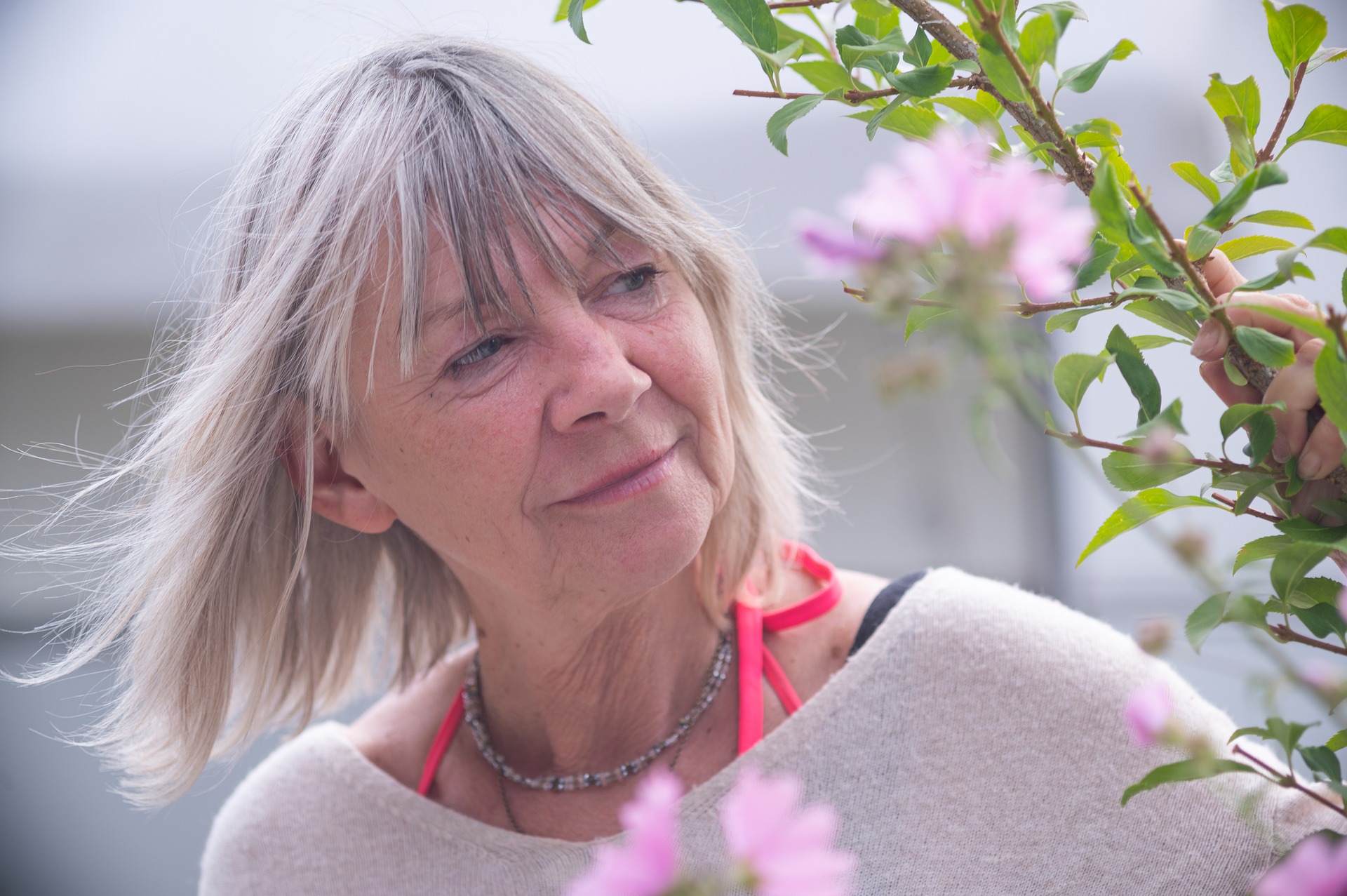
Gardens are a great way to relieve stress by slowing down and watching your little plants grow. They, in turn, provide you with high-quality nutrition. Gardening is also a great way to bond with your loved ones and to get back to your roots (literally) with our world heritage tradition of agriculture that predates civilization.
There are many great resources online so that your new garden is a success. Here are some tips to get you started:
- Check to make sure of your growing zone so that you pick the appropriate vegetables for your region and month of the year.
- Check the seed packet, look online, or ask your nursery for watering and fertilizer tips.
- Choose a high quality potting soil appropriate for your intended crop.
- Fertilizer can be both powdered or liquid. Research before you buy and try and get a quality organic one for for your plants.
- First timers tend to overwater, and you should get used to sticking your finger into the soil a little bit to make sure it’s moist but generally, not wet or damp between waterings.
- Think of “ebb and flow” with watering. Most plants like a good soil drenching followed by some time for the soil to become desaturated but not completely dry. Some succulents and cacti love the soil to dry out more than other plants, so read up before you give your plant a drink!
- As a general rule, a balanced loamy soil that has sand, silt, and clay work well. The clay keeps the water from dissipating too quickly, while the sand helps excess water to drain from the soil so your plant’s feet don’t stay too wet for too long. Most plants don’t like constantly wet roots, but prefer the soil to be moist. Silt has some properties of both clay and sand, so a mix of all 3 generally provides the best growing experience for most plants.
- Terra cotta pots are normally inexpensive with being just bisque-fired clay. They retain moisture in the walls of the pot itself and allow some air permeation and moisture evaporation. They also look lovely and are almost always non-toxic.
- If you must use plastic potting containers, try repurposing used milk jugs, drink bottles, food packaging, etc. instead of buying pots. Be sure to puncture a good number of holes at the bottom of any plastic containers to allow for drainage.
- Pro tip: Before you fill your pots with soil, place a double or triple layer of gravel or broken terra cotta pot fragments at the bottom of your pot. They key is to cover all the holes with the loose gravel, so make sure the gravel is of small pieces, but not too small that they fall out of the drain holes! This gives a much larger area for excess water to drain out since the soil will sit on top of the gravel bed and not clog up the holes (which on most pots are dreadfully too few and small to allow for proper drainage). Your plants will generally be healthier, happier, and potentially produce a larger harvest because of it!
- If you see your plant’s leaves start to wither, turn black, or see anything that doesn’t look right, check online for your specific plant. Chances are, they’re either getting too little or too much sun, or there’s an issue with the watering frequency or amount.
Well, there you have it. Some great tips to get you on your way. Your local nursery is a great place to go and learn more. Also, make sure you buy quality seeds or starter plants to give the best chance for your new plants friends to thrive!
Have fun and watch your garden grow for all around health and nutrition!